Quick Take
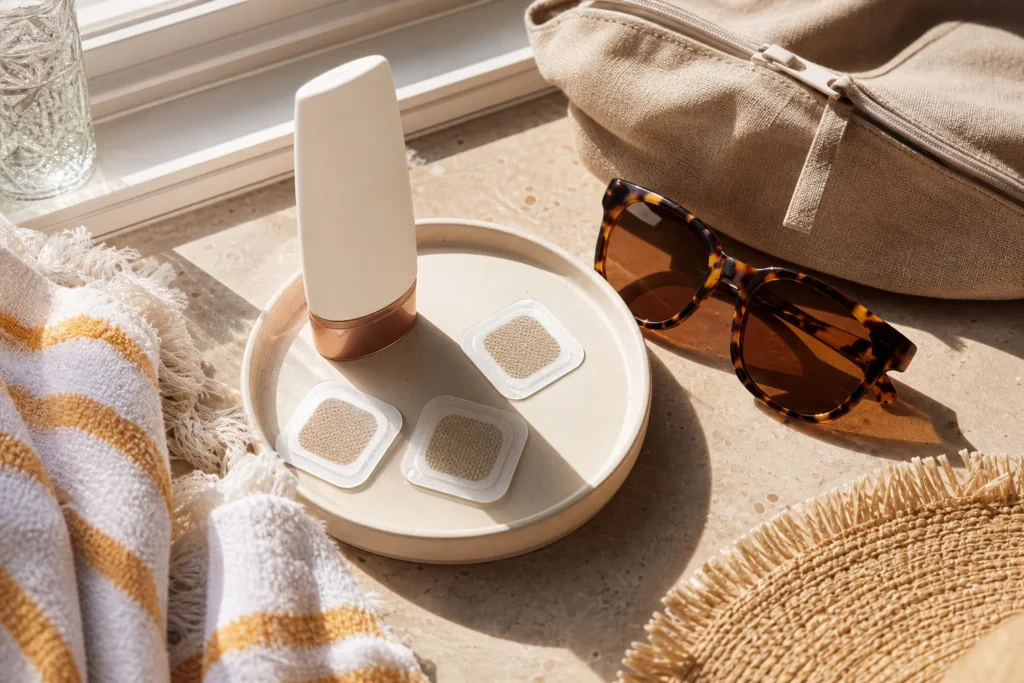
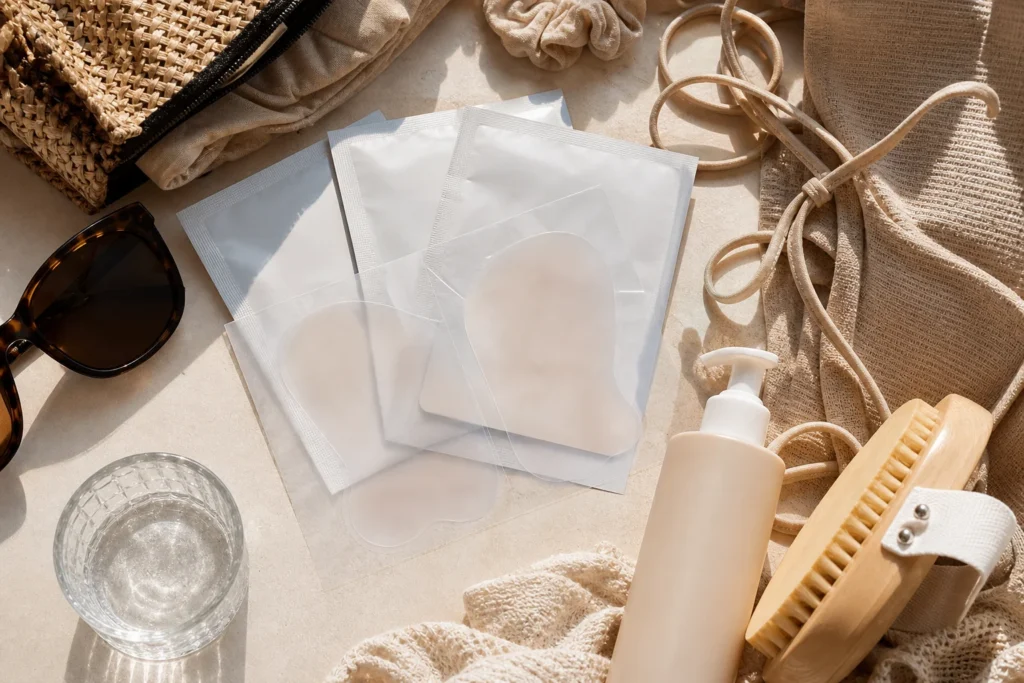
Celestvéra Tanning Microneedle Patches are made for people who like the idea of a sunless glow but are tired of the usual self-tanner routine: exfoliating, applying mousse with a mitt, waiting for color to develop, and hoping the result does not turn patchy or orange. Instead of acting like a traditional DHA tanner, this patch takes a more skin-tech approach with dissolving microneedles, a sea algae hydrogel base, and peptide-focused delivery.
The biggest appeal is convenience. One patch is designed to be used every two weeks, with a short application time and no sticky lotion, biscuit-like self-tanner scent, or stained sheets. Results will still vary by skin tone, routine, and individual response, but for shoppers who want a cleaner-feeling alternative to classic self-tanning products, Celestvéra is an interesting option to consider.
What Makes It Different
Most self-tanners rely on DHA, which creates a temporary surface color as it reacts with the outer layer of skin. Celestvéra moves away from that format and focuses on a microneedle patch that delivers a localized cosmetic signal through a dissolving hydrogel matrix. The formula highlights MC1R peptide technology, sea algae hydrogel, a copper-peptide cofactor, and low-molecular-weight hyaluronic acid.
That is a more advanced concept than a standard tanning mousse, and it is also why expectations should stay realistic. This is not a medical treatment, and it should not be viewed as sun protection. The practical reason to consider it is simpler: it may suit someone who wants a gradual, natural-looking glow without the odor, transfer, and weekly upkeep that often come with traditional self-tanners.
Who It May Suit Best
- People who dislike the smell or stickiness of DHA self-tanners.
- Anyone who wants a lower-maintenance body glow routine.
- Shoppers who prefer patch-based beauty products over creams, sprays, or mousses.
- Those who want a more natural-looking tan effect and are willing to let results develop gradually.
It is probably less ideal for someone who wants instant color before an event tonight. The patch is positioned around a 7–10 day development window, so it makes more sense as a planned routine product than a last-minute bronzing fix.
How to Use It
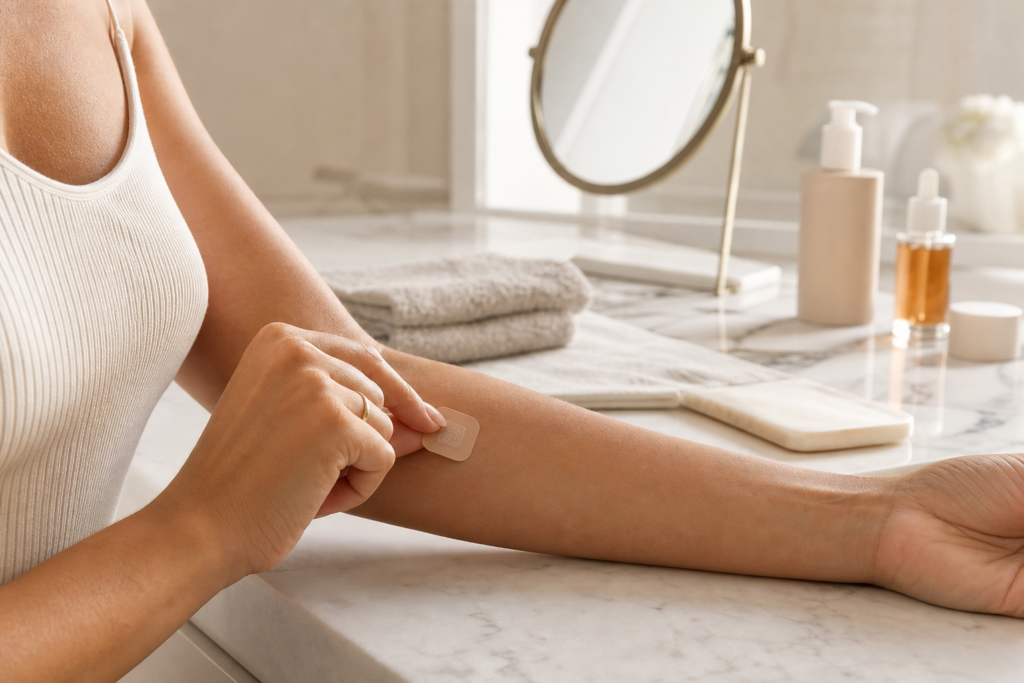
Apply the patch to clean, dry skin on an area such as the inner arm or inner thigh. Press it firmly and evenly for about 90 seconds, then leave it in place for around 10 minutes before removing the carrier film. The brand recommends using one patch every two weeks, with the visible glow developing gradually after application.
As with any microneedle or active cosmetic patch, sensitive skin users should patch test first and avoid applying it to irritated, broken, or freshly exfoliated skin.
A Few Helpful Notes
The sales page makes strong claims around melanin activation and the science behind the patch. WorthSift would treat those claims as product positioning rather than guaranteed outcomes. The more grounded buying angle is the format: a fragrance-free, DHA-free patch that may reduce the mess and maintenance of self-tanning.
If you are pregnant, nursing, managing a medical condition, taking medication, or prone to irritation, check with a qualified professional before use. Discontinue use if redness, discomfort, or sensitivity appears.
WorthSift Verdict
Celestvéra Tanning Microneedle Patches are worth considering if your main frustration with self-tanner is the routine itself: the smell, streaks, drying feel, and constant reapplication. The patch format feels modern and convenient, and the DHA-free angle gives it a clear reason to stand apart from standard tanning lotions.
I would not expect the same instant payoff as a bronzing mousse, and individual results can vary. But as a low-effort, planned glow product with a cleaner-feeling application style, it has a strong niche—especially for people who already know they do not enjoy traditional self-tanners.
FAQ
Frequently asked questions
Is Celestvéra a regular self-tanner?
No. It is presented as a DHA-free microneedle patch rather than a lotion, mousse, or spray tan. The practical difference is that it does not rely on the typical self-tanner smell, drying time, or surface-stain application routine.
How long does it take to see results?
The merchant page describes a gradual development window of about 7–10 days, with one patch intended to support a glow cycle of around two weeks. Individual results can vary.
Where do you apply the patch?
Applying it to thinner skin areas such as the inner arm or inner thigh, then pressing firmly and leaving it on for around 10 minutes.
Does the patch hurt?
The microneedles are described as fine, dissolving microneedles. Many cosmetic patches of this type feel like pressure or slight prickling, but sensitive users should patch test and stop use if irritation occurs.
Is it a substitute for sunscreen?
No. Even if the product helps create a cosmetic glow, it should not be treated as sun protection. Continue using broad-spectrum sunscreen when exposed to UV.